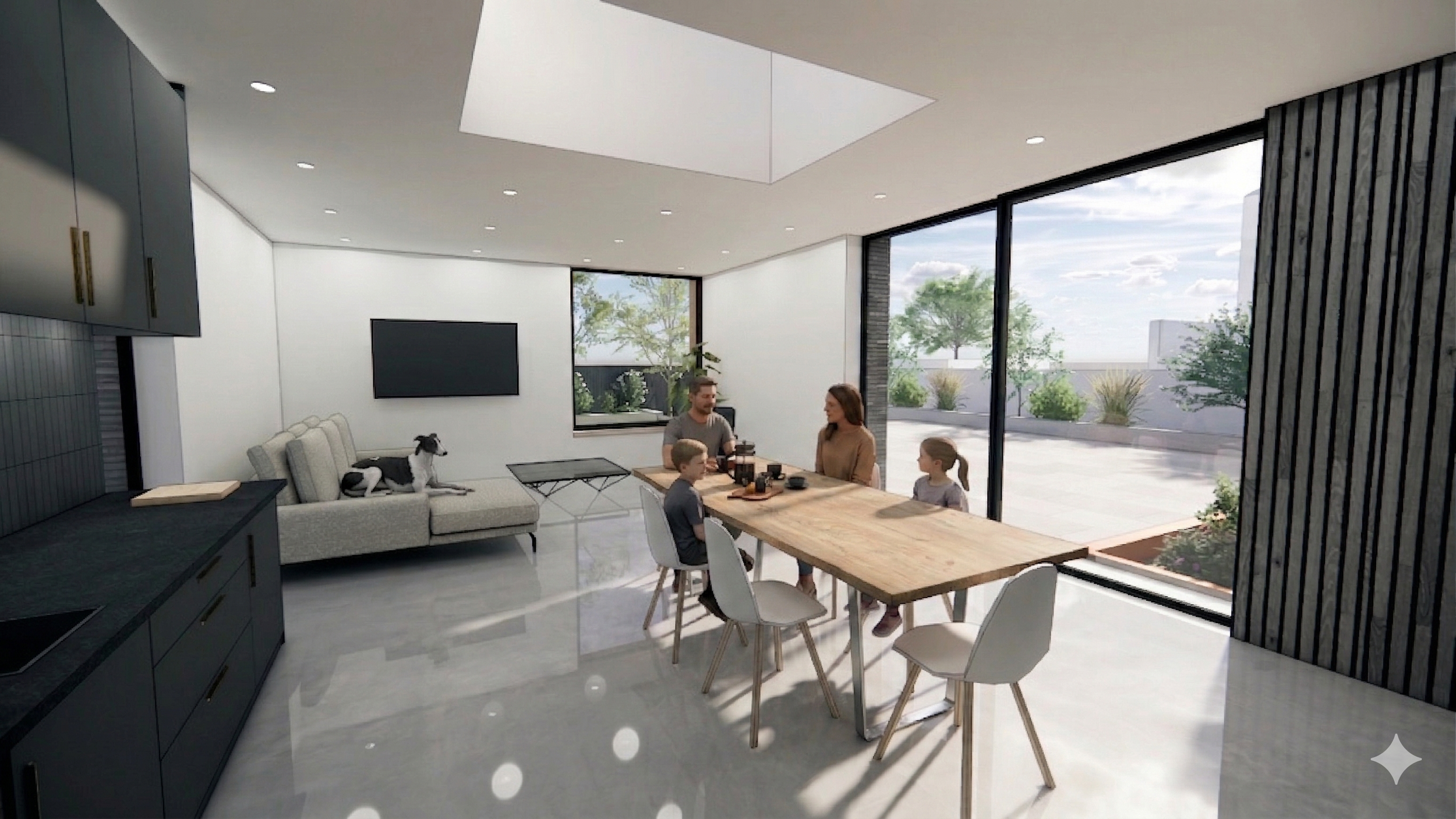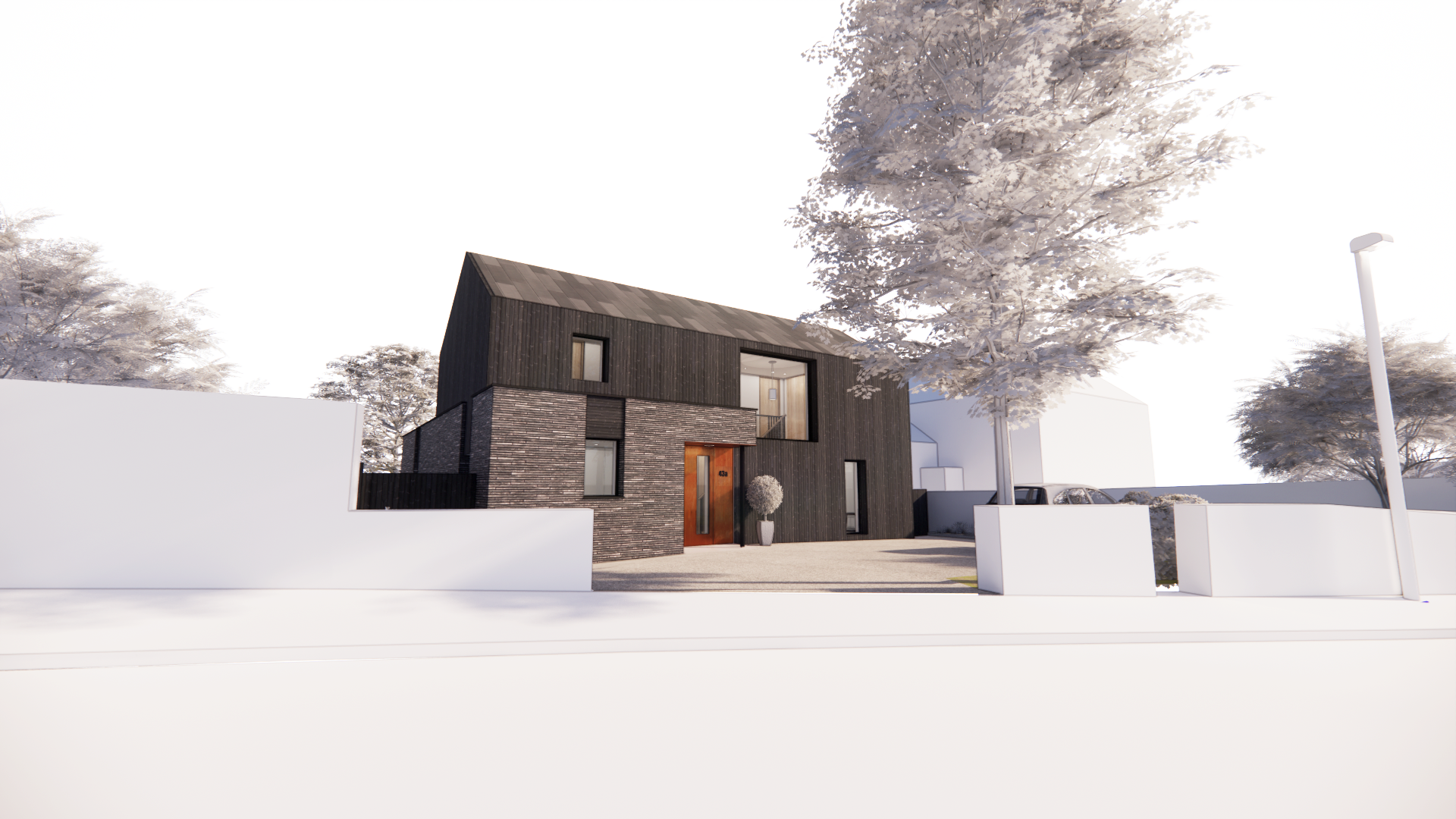
Úllord House | Passivhaus
A bespoke, low-energy family home on an infill site in Carnoustie, designed to meet full Passivhaus standards while respecting its unique garden setting
Project Details
Úllord House
Client: Private Client
Location: Carnoustie, Angus
Year: 2026
Project Status: Planning & Buidling Warrant
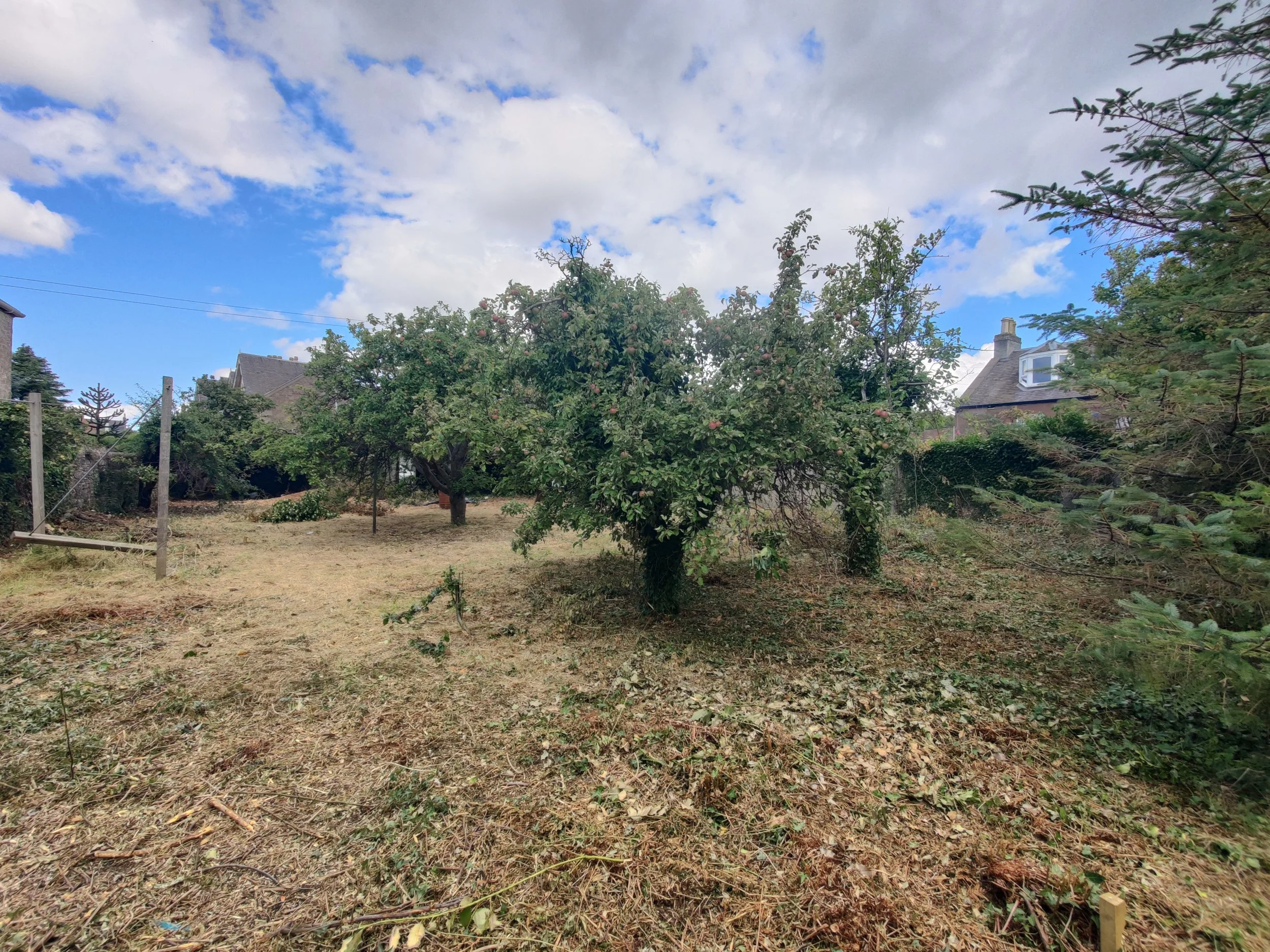
Existing Site - nestled between two houses on a prominent residential street, the site featues several trees which the design will seek to retain and weave into the proposals
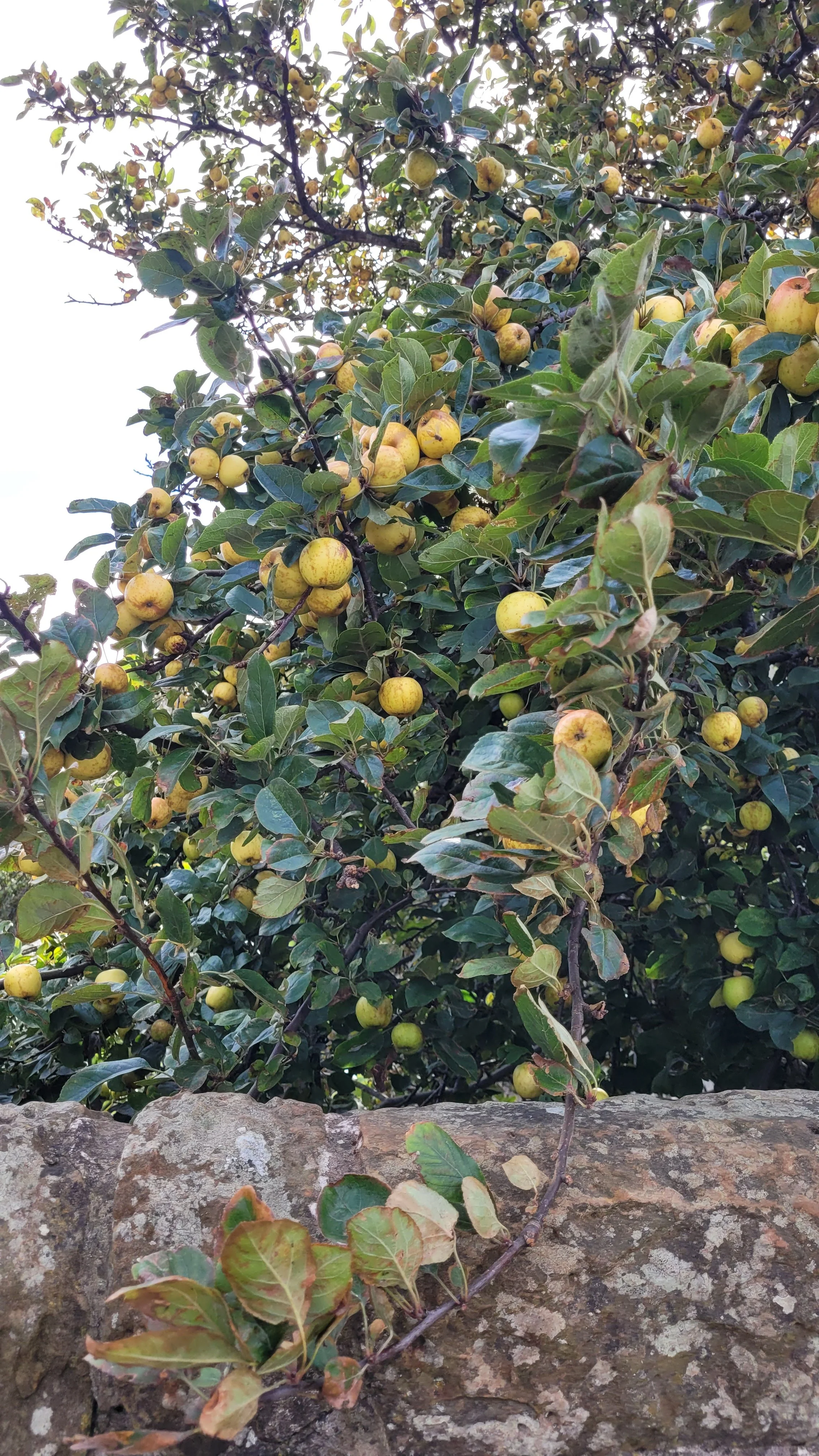
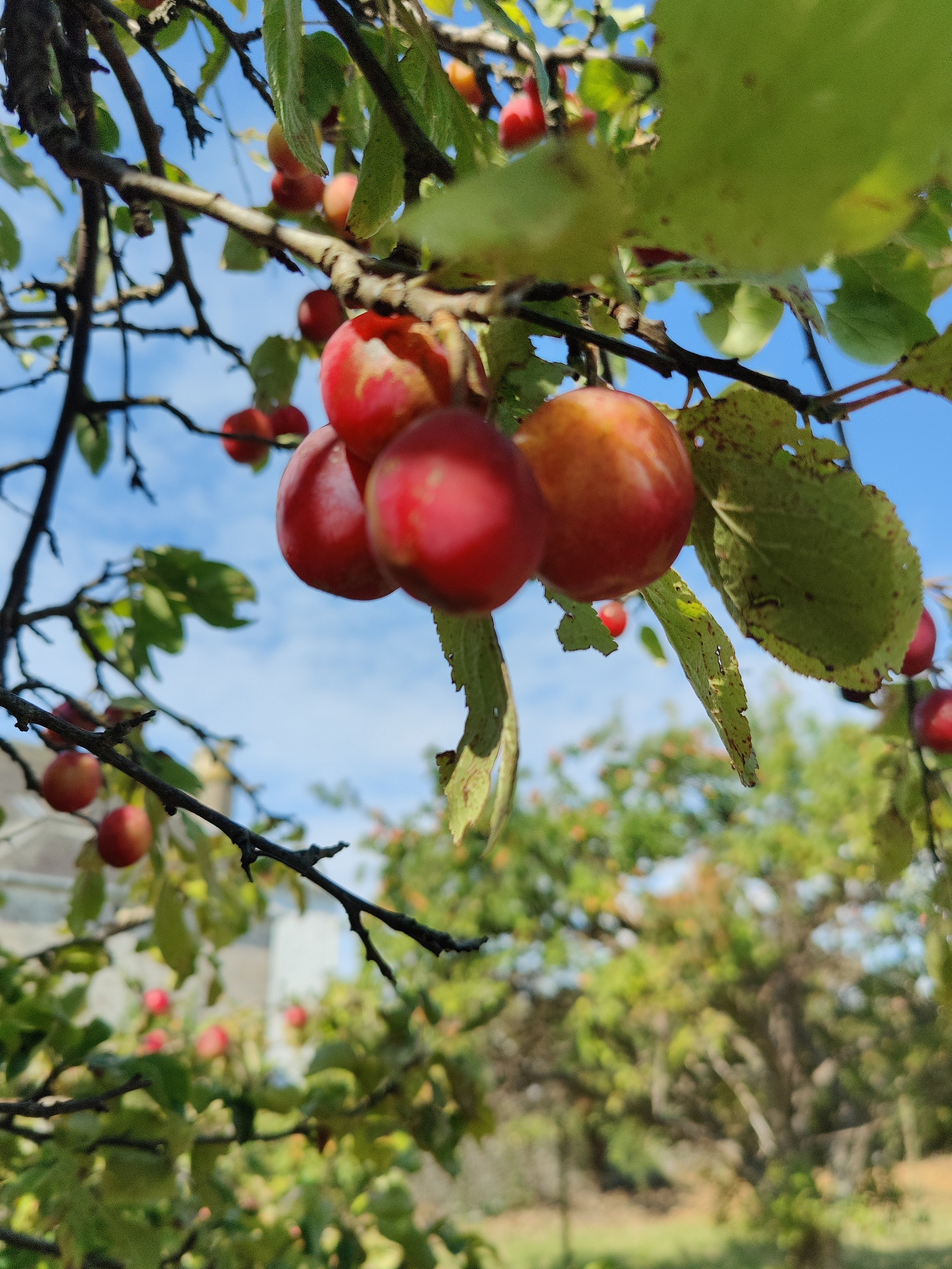
Fruit trees - As an existing garden site, existing fruit trees will be retained and will inform the character of the future home
Brief
The project is a self-build, high-performance dwelling at the forefront of contemporary low-energy design. The core priority was to create a comfortable family home that achieves full Passive House certification through a high-performance building fabric, triple-glazed windows, and an MVHR ventilation system. The design must also address the technical challenges of an infill site immediately adjacent to an operational railway line.
Existing Building & Site
The site is a infill plot situated between two existing homes. It is characterized by its historic walled-garden context, featuring existing fruit trees and stone boundary walls. Key site constraints include the proximity to the railway and the need to maintain specific visibility splays and standoff distances required by Network Rail.
They wanted to future‑proof the property, creating a comfortable, adaptable family home and establishing a usable garden space to the east, making the most of the site’s orientation and views.
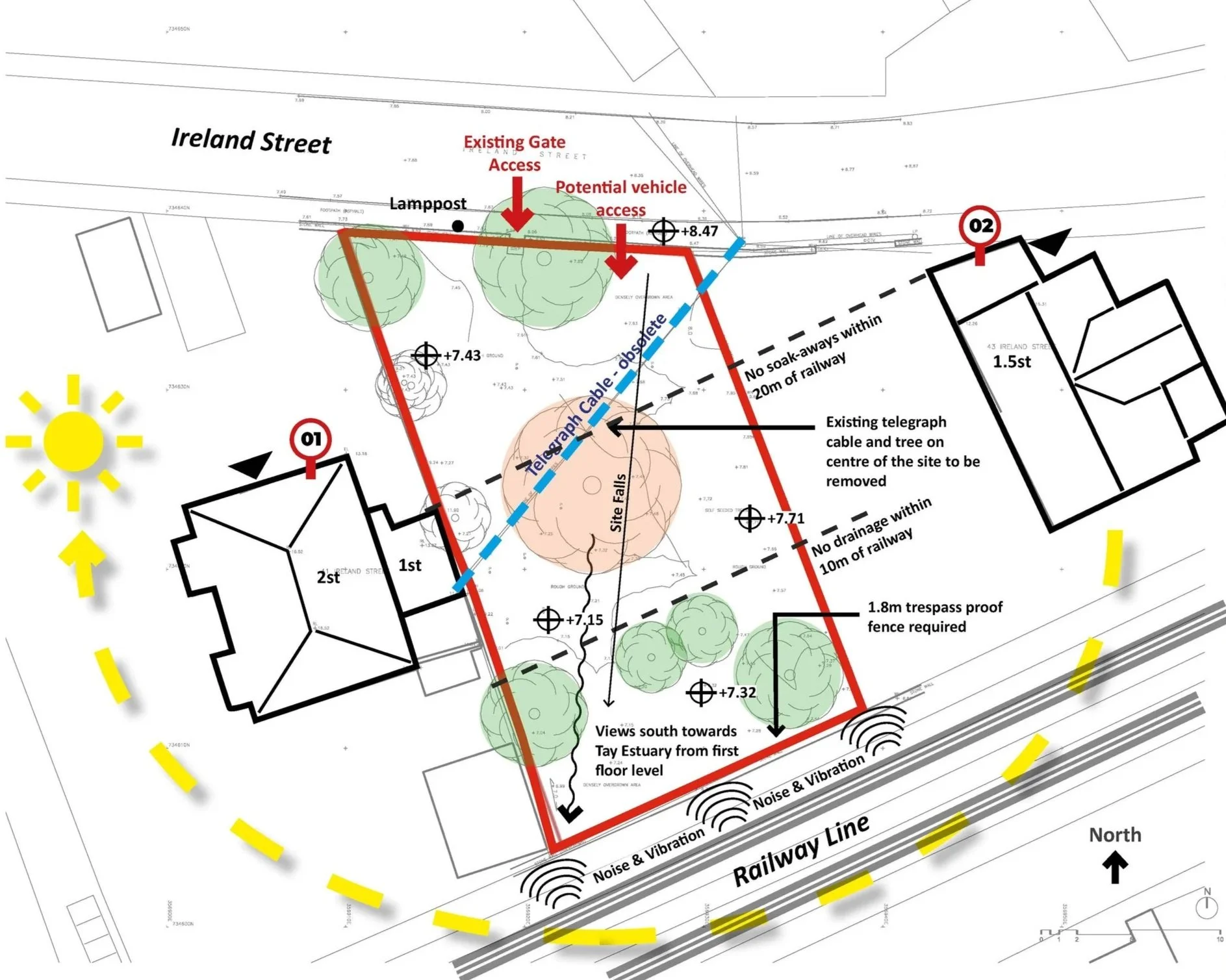
Site Analysis - Contstraints and opportunities for the site, allowing for a contextual response to both urban and climate context
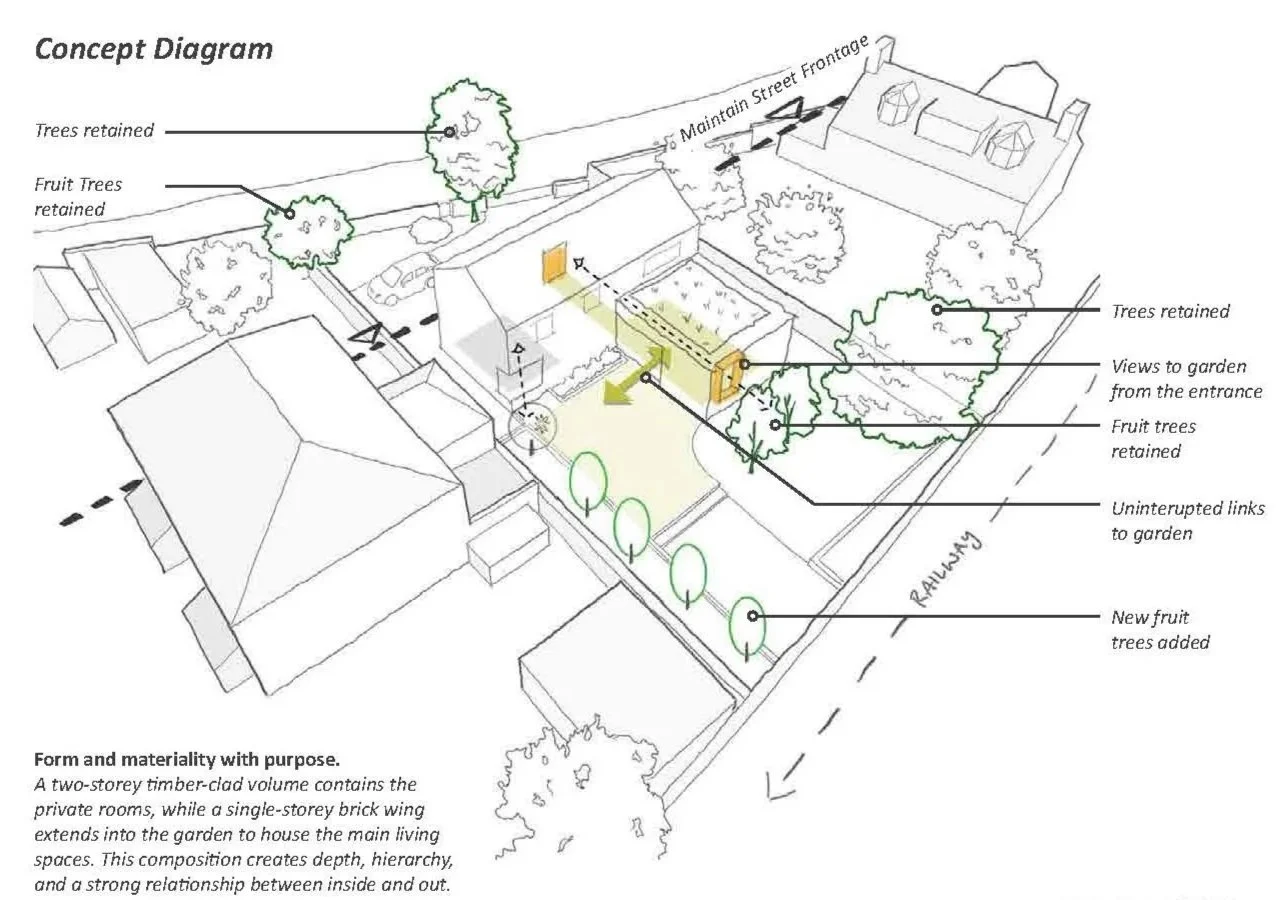
Concept
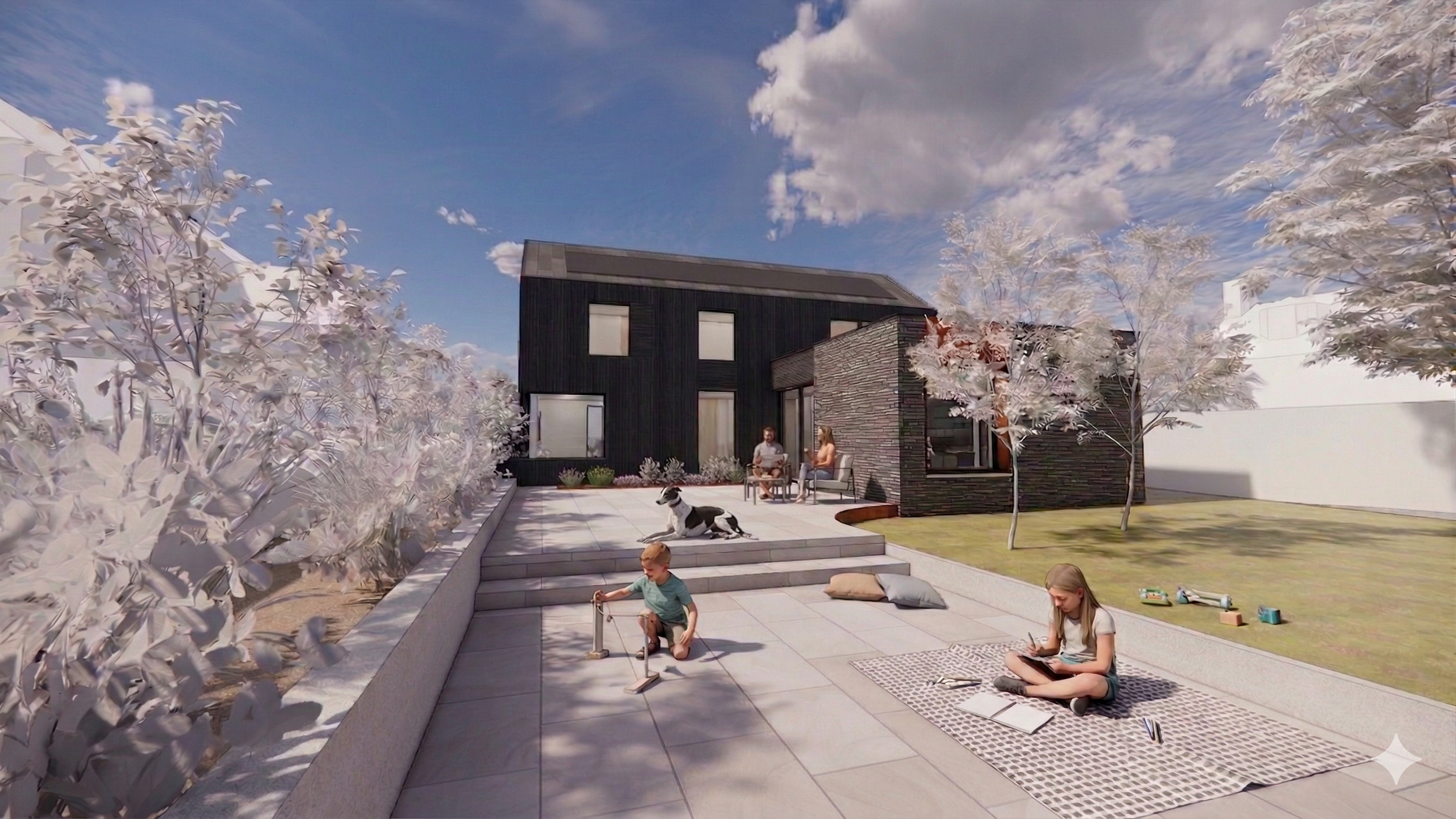
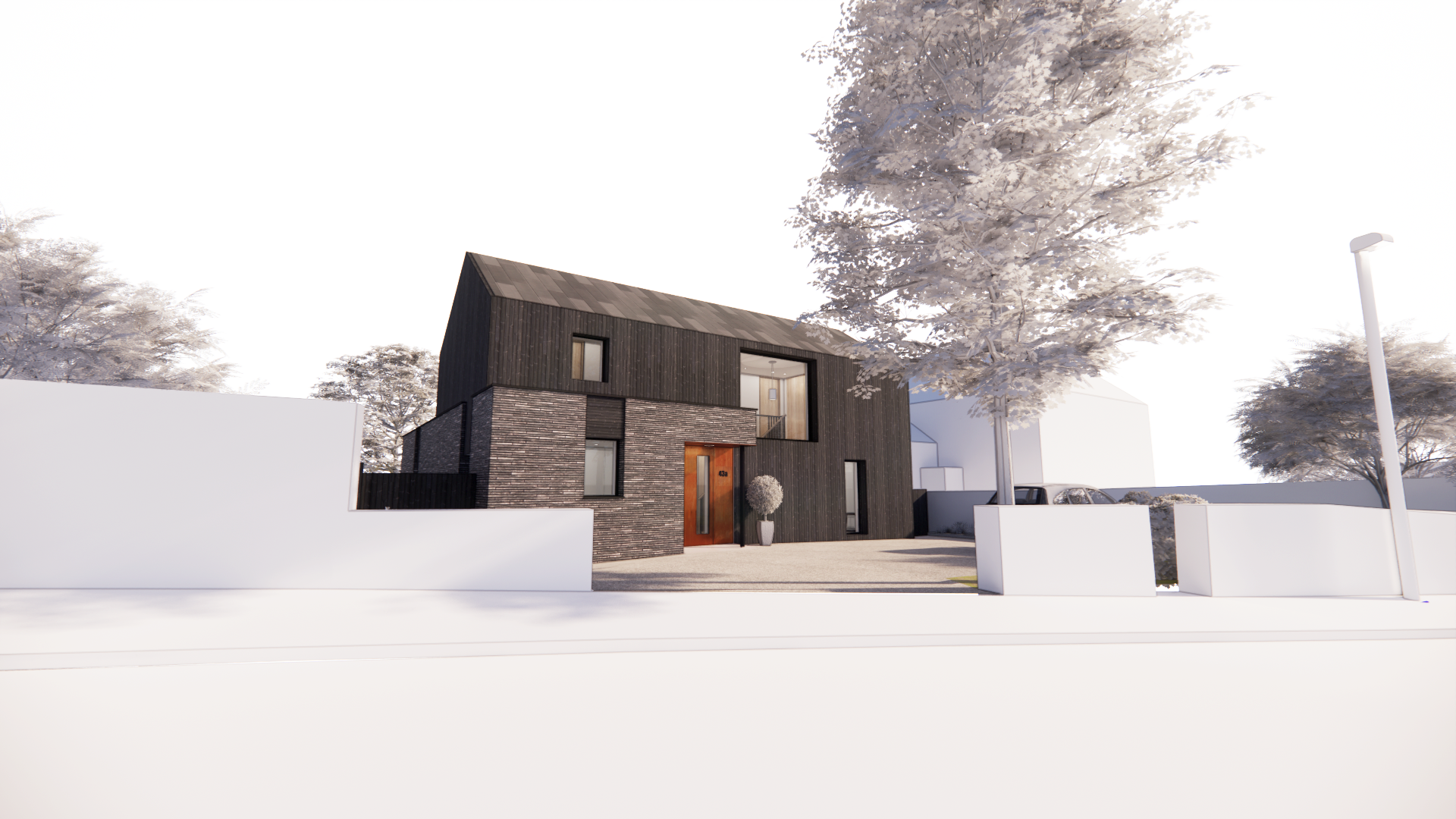
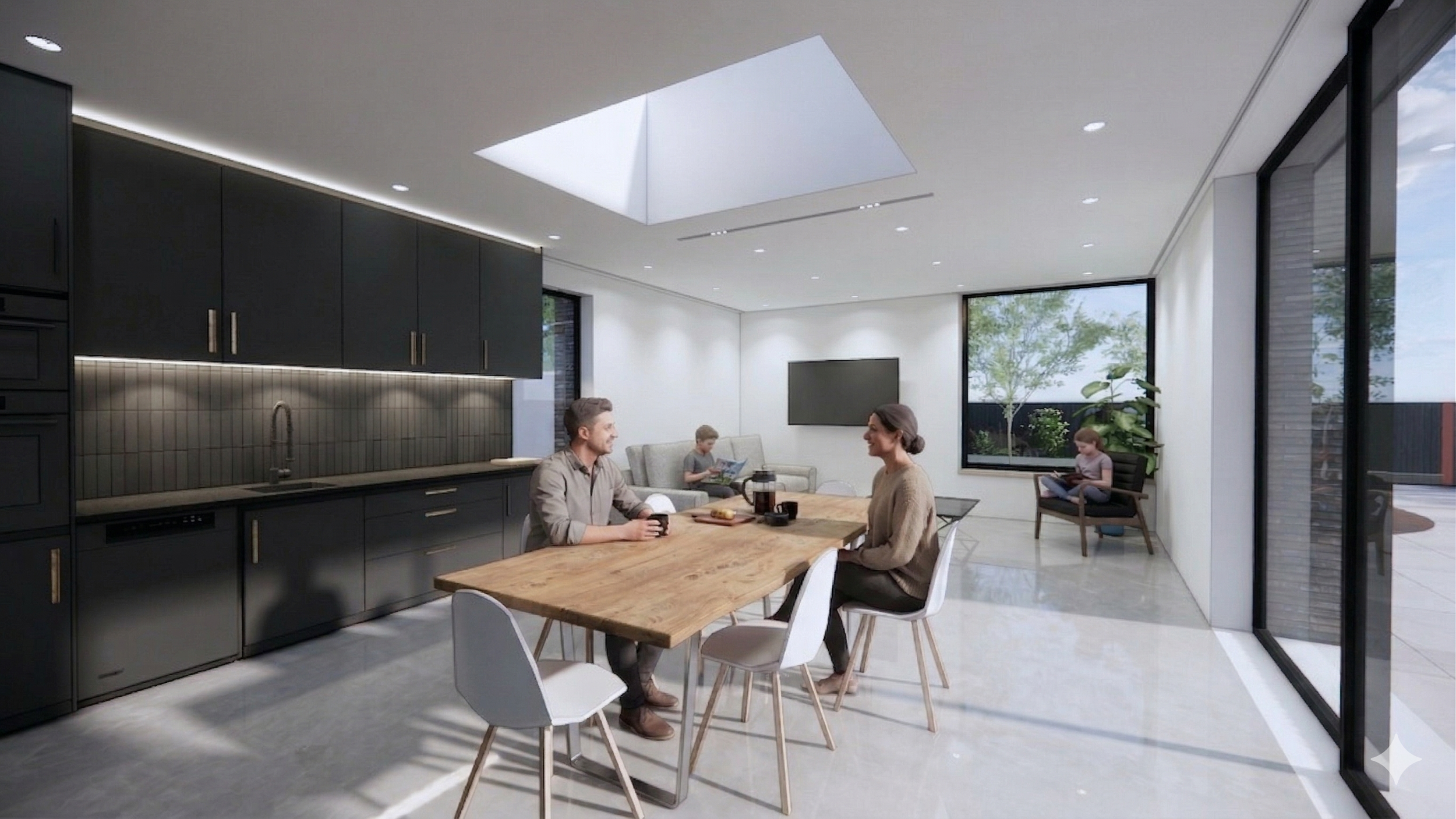
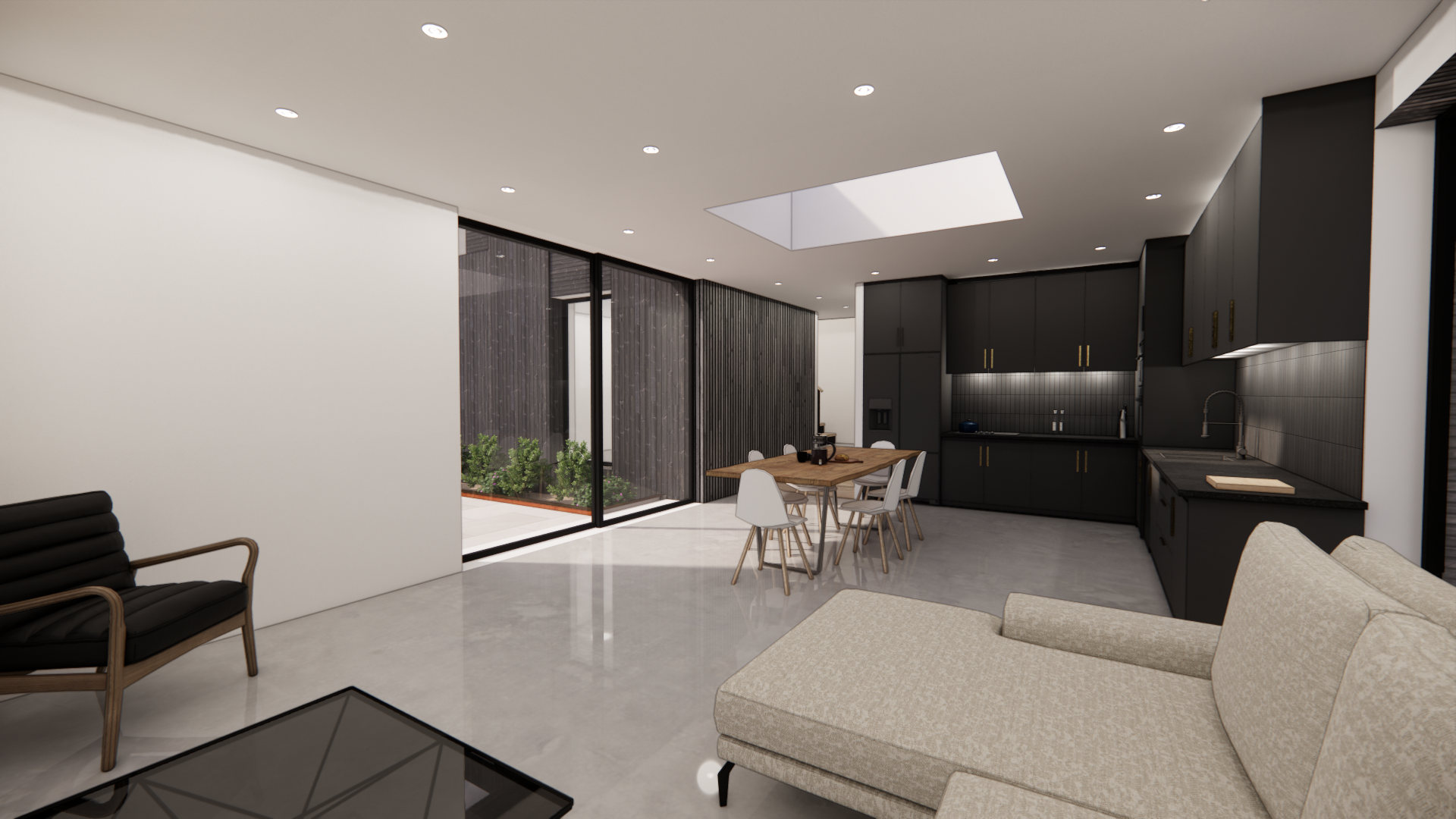
The dwelling is composed of two interlocking elements that organize the internal layout and respond to the established pattern of development along Ireland Street. A two-story volume containing private accommodation is oriented east-west to optimize solar access, while a single-story wing extends into the garden to accommodate primary living spaces. This formal arrangement restores a sense of order to the site, creating a clear transition from the street to a private, biodiverse sanctuary.
Design Principles
A Passive House The home is designed with a "fabric first" approach, using a compact form and high-performance materials to ensure extreme energy efficiency and long-term occupant comfort.
Materiality & Context The material strategy draws directly from the site’s context. The single-story wing is expressed as a masonry element, using a brick that reflects the color and texture of the original stone boundary walls. In contrast, the two-story volume is clad in black timber, providing a recessive backdrop that allows the colors of the garden to remain prominent.
Landscape-Led Integration The landscape strategy is central to the project, retaining existing fruit trees where feasible and incorporating new biodiverse planting zones. A sedum green roof provides visual softening and supports the sustainable drainage (SUDS) strategy by intercepting surface water.
Technical Rigor Every element of the design—from the acoustic glazing specified in the noise mitigation strategy to the 10m drainage exclusion zone—is carefully calculated to meet statutory requirements while maintaining the architectural integrity of the home.